
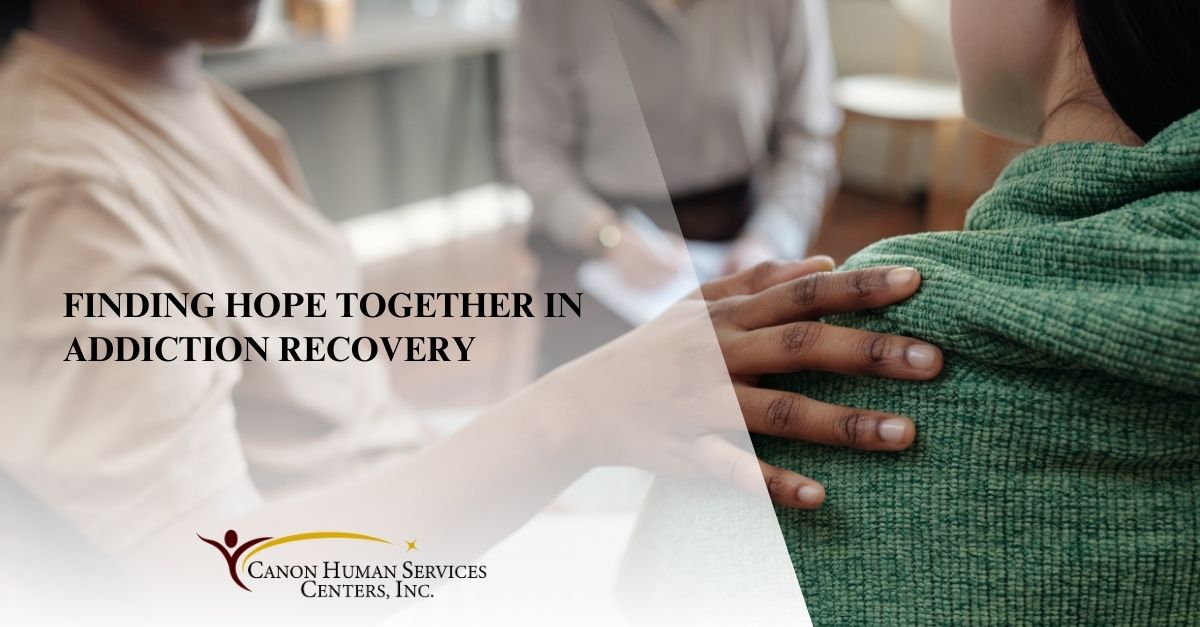
When someone decides to seek help for addiction, they often feel isolated and misunderstood. The journey to recovery can seem like a lonely path, but it doesn’t have to be. One of the most powerful tools in breaking the cycle of addiction is the connection forged with others who are on the same journey. Peer support provides a unique sense of community, understanding, and shared strength that can make all the difference.
At Canon, we believe that healing happens in a community. While individual therapy is crucial, group sessions offer a different kind of support—one rooted in shared experience. This post explores how peer support can transform the recovery process, using real stories from individuals who have found motivation, learned new coping skills, and built lasting friendships along the way.
What is Peer Support in Addiction Treatment?
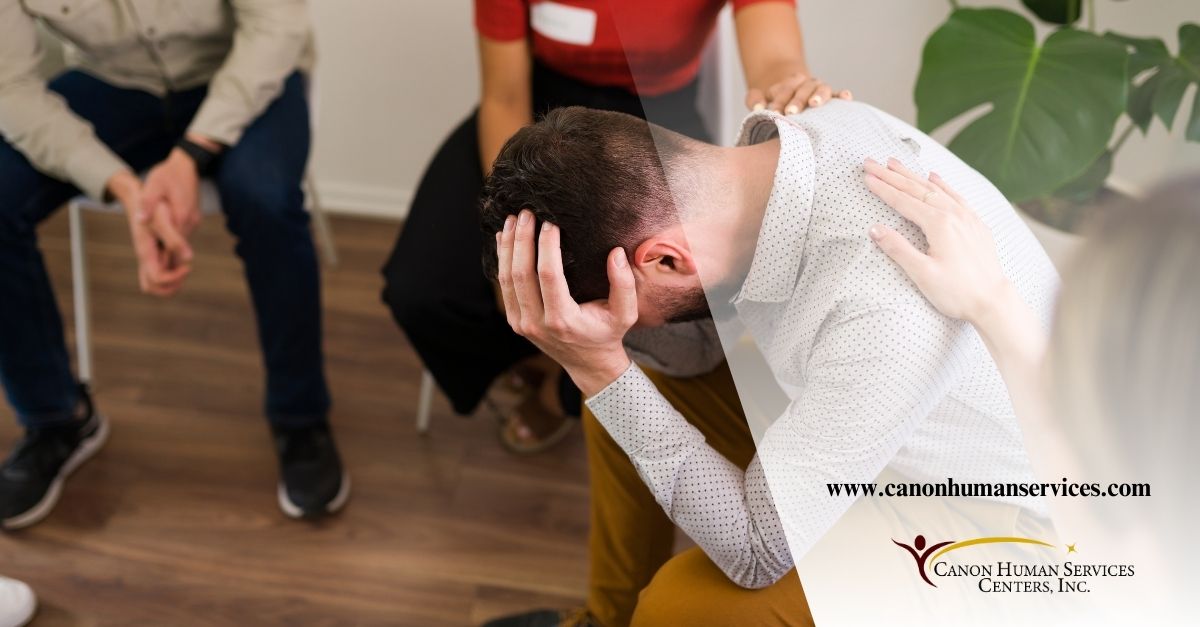
Peer support in addiction recovery involves people with similar experiences of substance use disorder supporting each other toward wellness. At Canon, this takes the form of structured group therapy sessions, which are a core component of our outpatient and residential treatment programs.
The process is carefully managed to ensure everyone feels safe and supported. It starts with a comprehensive intake assessment where our clinical team gets to know each person’s unique history, needs, and goals. Based on this, we create a personalized treatment schedule that includes group sessions specifically chosen to align with their stage of recovery and emotional readiness. These groups provide a space for individuals to share their struggles and successes without fear of judgment.
Finding Motivation in Shared Goals
Starting treatment can be overwhelming. In the early stages, it’s common for individuals to feel a mix of hope and apprehension. Seeing others who are further along in their recovery can be incredibly motivating.
Take Alex, for example. When he first joined a group session at Canon, he was quiet and withdrawn. He listened as others talked about their small victories—making it through a week without using, reconnecting with a family member, or finding a new hobby. Hearing these stories sparked something in him. He saw that recovery wasn’t just an abstract concept; it was a tangible reality for people just like him.
“Seeing others succeed made me believe I could too,” Alex shared. “It wasn’t a therapist telling me it was possible; it was someone who had been in my shoes.” This shared sense of purpose creates a powerful dynamic where members encourage each other to keep moving forward, one day at a time. The group’s collective energy can lift individuals when they are feeling low and celebrate with them when they achieve a milestone.
Learning Coping Strategies from Lived Experience
Therapists provide expert guidance on evidence-based coping strategies, but peers offer a different, equally valuable perspective. They can share practical tips on how they navigate real-world challenges, from handling cravings to rebuilding relationships.
Maria, another client, struggled with social anxiety, which often triggered her desire to drink. In her group, she heard from a peer who had developed a simple technique for managing stressful social situations: stepping outside for five minutes of deep breathing before entering a crowded room. Maria tried it at her next family gathering and was amazed at how much it helped.
“It was a small tip, but it came from someone who truly understood the panic I felt,” she said. “The group became my go-to resource for practical advice.” In these sessions, members exchange strategies for managing triggers, finding healthy distractions, and communicating their needs to loved ones. This collective wisdom becomes a powerful toolkit for everyone in the group, offering solutions that are tested and true.
Building Friendships and a Sober Social Network
Addiction often isolates individuals from healthy social circles, and recovery can feel just as lonely. A common fear is that life without substance use will be boring or empty. Peer support groups directly counter this fear by helping individuals build new, supportive friendships.
This was the case for Ben. His old social life revolved around bars and parties. When he got sober, he felt like he had to start from scratch. His therapy group at Canon became his first sober social network. The connections started in sessions but soon extended beyond them. Members would grab coffee, go for hikes, or simply check in with each other via text.
“I didn’t just find a support group; I found real friends,” Ben explained. “These are people who I can call at any time, who get what I’m going through without me having to explain everything.” These relationships provide a crucial sense of belonging and prove that a fun, fulfilling life is possible in sobriety. Building these connections is a fundamental step in creating a sustainable, long-term recovery.
Your Path to Community and Recovery
The journey of recovery is deeply personal, but it thrives on connection. Peer support helps individuals feel seen, understood, and motivated. By sharing experiences, learning from one another, and building genuine friendships, clients at Canon create a strong foundation for a life free from addiction.
If you or a loved one is struggling, know that a supportive community is waiting. Our programs are designed to connect you with peers who can help you break the cycle of addiction and build a healthier future.
To learn more about our outpatient and residential programs, contact the Canon admissions team today. We’re here to help you take the first step.